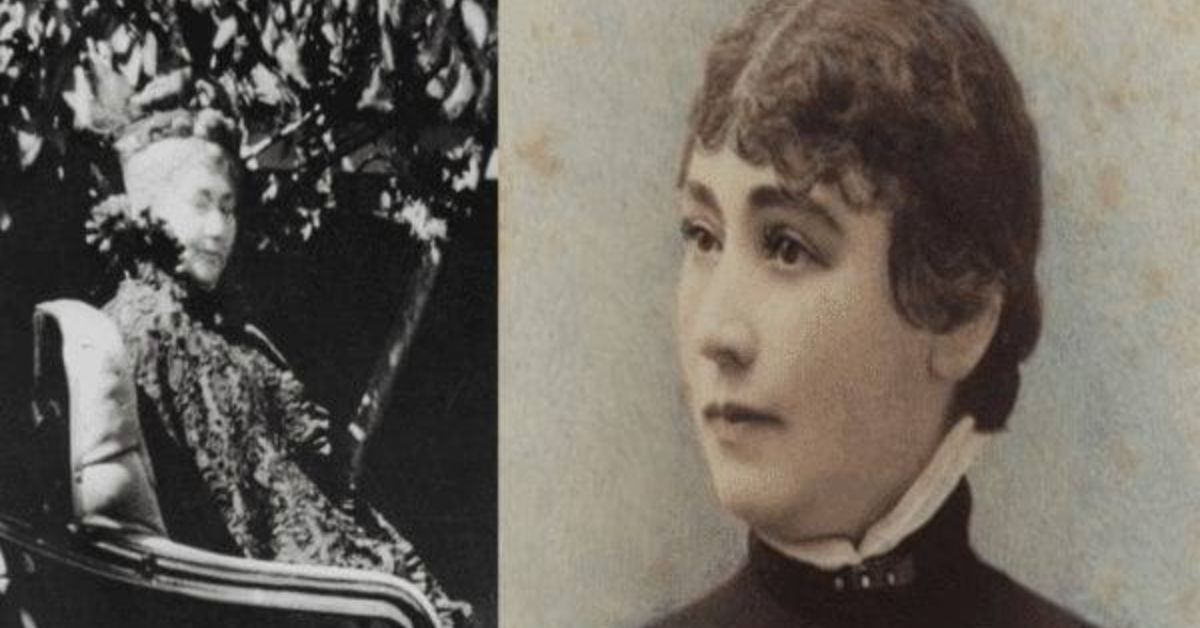
Few American heiresses stir curiosity quite like Sarah Winchester. Most people know her as the woman behind a maze-like mansion in San Jose, yet her financial story deserves just as much attention as her architectural one. This article breaks down Sarah Winchester net worth at death, using documented probate records rather than the exaggerated legends that have followed her name for over a century.
She inherited a fortune built on rifles, grew it through steady dividends, and poured much of it into real estate that still draws visitors today. By the time she died in 1922, her estate told a clear story of quiet, disciplined wealth. Let’s look at what the records actually show.
Profile Summary
| Detail | Information |
| Full Name | Sarah Lockwood Pardee Winchester |
| Born | June 4, 1839, New Haven, Connecticut |
| Died | September 5, 1922, San Jose, California |
| Wealth Source | Inheritance, dividends, real estate |
| Net Worth at Death | ~$20 million (1922) |
| Modern Equivalent | $500M–$2B+ (inflation-adjusted) |
This table gives you the shorthand version. The rest of this article fills in the “why” and “how” behind these numbers.
Who Is Sarah Winchester?
Sarah Winchester is best remembered as the owner of the Winchester Mystery House, a sprawling property in San Jose famous for staircases that lead nowhere and doors that open onto walls. But focus only on the ghost stories, and you miss the more interesting part of her life: she managed one of the largest inherited fortunes of the Gilded Age for more than four decades without a single financial scandal attached to her name.
She wasn’t flashy. She didn’t chase headlines or speculative investments the way some of her wealthy contemporaries did. Instead, she ran her finances with the kind of quiet discipline you’d expect from a seasoned accountant, not a grieving widow thrust into sudden wealth. Her Winchester heiress fortune funded round-the-clock construction, anonymous charitable giving, and a wealth preservation approach that kept her estate intact until her final days.
That’s really the puzzle worth solving here. How did a woman with no business background end up controlling millions in assets, and how did she manage to preserve nearly all of it for over 40 years? The answer lies in her background, her decisions, and the company that made her family name famous. Understanding who is Sarah Winchester beyond the myths sets up everything else in this article, from her early life to the exact figures recorded in her estate.
Read more.Chiquis Rivera Net Worth 2026: From Music Star to Entrepreneurial Success Story
Sarah Winchester Background & Early Life
Sarah Lockwood Pardee was born in 1839 in New Haven, Connecticut, into a comfortable but unremarkable family. She grew up with a good education and solid social standing, yet she held no independent wealth of her own. Nothing about her early years suggested she’d one day become one of the wealthiest women in America.
That changed in 1862 when she married William Wirt Winchester, son of Oliver Winchester, founder of the Winchester Repeating Arms Company. This marriage placed her directly inside the Winchester family business fortune, though at the time, she was simply a young wife, not yet an heiress in her own right.
Life handed her devastating losses early. Her infant daughter, Annie, died in 1866, a tragedy that reportedly changed Sarah permanently. Then, in 1881, William succumbed to tuberculosis. His death triggered one of the most significant private inheritances of the era. Almost overnight, Sarah went from a grieving widow to a woman controlling a substantial share of one of America’s most successful manufacturing companies.
This transition matters because it explains the origin of everything discussed later in this article. Her wealth wasn’t earned through a career or built through entrepreneurship. It arrived suddenly, through inheritance, and she spent the rest of her life managing it carefully rather than expanding it aggressively.
Sarah Winchester Net Worth Overview, 1922 Estimate
Historical probate records confirm that Sarah Winchester’s estate carried a probate estate valuation 1922 of approximately $20 million. That’s the documented figure, not a guess pulled from folklore. For context, the average American worker earned roughly $1,300 a year at that time, which makes her fortune almost unimaginable by comparison.
Here’s how that number translates into today’s dollars, depending on which valuation method you use:
| Valuation Method | 2026 Modern Equivalent |
| CPI Inflation Adjustment | ~$350M–$500M |
| GDP Per Capita Model | ~$800M–$1B |
| Stock Market Growth Index | $1.5B–$2B+ |
The Sarah Winchester inflation-adjusted net worth shifts quite a bit depending on the model used, and that’s normal for any historical wealth calculation spanning over a century. What doesn’t shift is the underlying record: her estate valued at approximately $20 million was real, documented, and substantial for its time. This figure forms the foundation for every comparison and projection discussed later in this piece.
Net Worth Growth Timeline
Before Fame
Before marrying into the Winchester family, Sarah had no independent financial standing. She was well-connected socially, but she owned no significant assets and had no business experience whatsoever. Her Winchester heiress wealth timeline genuinely begins at zero, a detail that most sensational retellings of her life conveniently skip over.
Breakthrough Phase
Everything changed in 1881. William’s death handed Sarah a significant ownership stake in Winchester Repeating Arms Company, reportedly around 50 percent, along with substantial liquid assets. She relocated to San Jose shortly afterward and began acquiring property almost immediately. This marked the true beginning of her California real estate holdings, laying the groundwork for the decades of construction that followed.
Peak / Recent Years (Up to Death)
From 1884 onward, construction at her San Jose estate never really stopped. The Winchester mansion construction costs consumed millions over four decades, yet her core fortune stayed remarkably intact. Why? Because her dividend income history from Winchester Repeating Arms kept flowing steadily, especially during World War I, when demand for rifles surged and company profits climbed sharply. Her peak wealth years lined up almost perfectly with the company’s strongest performance periods.
Main Sources of Income
Core Profession Income
Sarah didn’t have a profession in the traditional sense. Her income came entirely from passive income investments, primarily her shares in Winchester Repeating Arms. She held a major ownership position in a company that supplied rifles to an expanding American market, and that position alone generated more income than most working professionals could ever hope to earn.
Business Revenue
Winchester Repeating Arms performed strongly throughout the years Sarah held her shares. Military conflicts, first the Spanish-American War and later World War I, drove production demand higher and higher. Her inheritance and resulting dividends flowed consistently, funding both her lifestyle and her endless construction project without ever touching the principal of her estate. That last part matters enormously. Plenty of wealthy heirs burn through inherited fortunes within a generation. Sarah didn’t. She lived off returns, not principal, which is a strategy financial advisors still recommend today.
Read more.150+ Best Gangster Quotes That Inspire Hustle and Loyalty | Gangster Quotes
Real Estate & Estate Appreciation
Beyond the Mystery House itself, Sarah held broader property assets across California, contributing to what records describe as her San Jose estate valuation. Property values climbed significantly during her lifetime as California urbanized at a rapid pace. Her approach, combining company shares with real estate, represented genuine asset diversification strategy for the era, spreading risk across two very different types of assets rather than betting everything on one.
Business Strategy Behind the Wealth
Sarah’s financial philosophy came down to one simple idea: preservation over growth. She didn’t speculate on risky ventures, and she didn’t chase get-rich-quick schemes the way some of her contemporaries did. Her wealth preservation strategy mirrored what most large Gilded Age estates practiced at the time, hold strong, established assets, collect steady returns, and avoid unnecessary financial exposure.
What makes her approach genuinely interesting, though, is the Mystery House itself. Historians estimate the mansion expansion expenses exceeded $5 million across four decades of continuous building. That’s an enormous amount of capital poured into what was, financially speaking, a non-productive asset. It generated no rental income and no business revenue during her lifetime.
Yet here’s the twist that makes her story worth studying: that same “liability” eventually became the tourism goldmine that preserves her legacy today. Sarah likely never intended the house to become a commercial attraction, but her spending habits inadvertently created one of California’s most visited landmarks. It’s a reminder that financial decisions don’t always reveal their true value within the lifetime of the person making them.
Her strategy also reflected the limited investment options available to women of her era. Financial advisors and legal restrictions shaped much of what she could and couldn’t do independently, which makes her steady, methodical approach even more impressive given the constraints she operated under.
Assets & Lifestyle
Real Estate
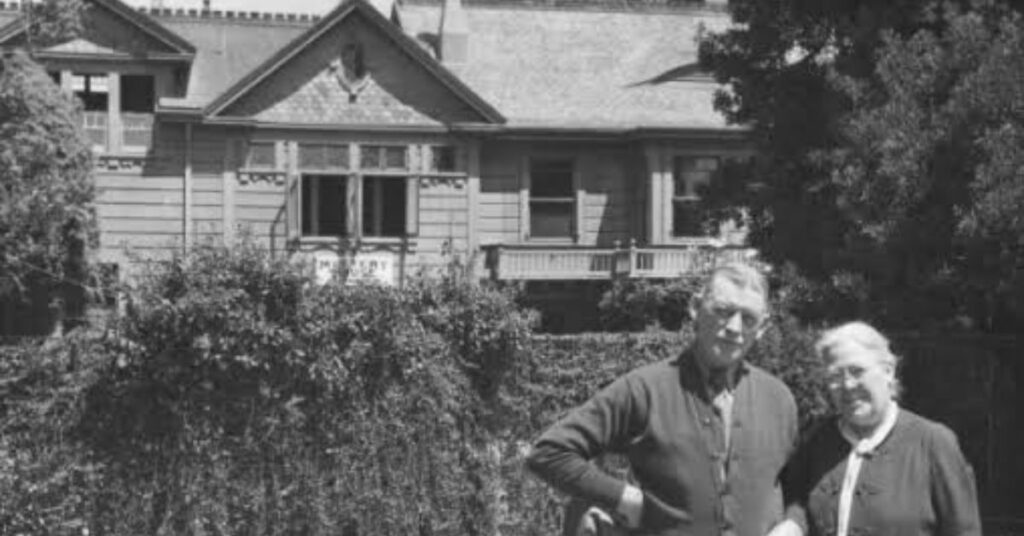
The Winchester Mystery House dominated Sarah’s asset portfolio. Spanning roughly 24,000 square feet across 160 rooms, it was continuously expanded from 1884 all the way until her death in 1922. Today, it remains one of California’s most visited landmarks, generating mansion tourism revenue impact worth millions of dollars annually, decades after Sarah herself stopped adding to it.
Investments
Her stock ownership inheritance in Winchester Repeating Arms remained the primary engine behind her fortune throughout her life. There’s no documented evidence suggesting she engaged in aggressive stock market speculation. Her investment income 1920s strategy stayed conservative, steady, and remarkably effective, proving that slow and consistent often beats flashy and risky over the long run.
Personal Collections
Sarah spent generously on Tiffany art glass windows, custom artisan woodwork, and imported European furnishings throughout the mansion. These personal collections reflected genuine aesthetic passion rather than mere status symbols. However, they also created real complications later on, contributing to historic estate distribution challenges that surfaced after her death, as family members and appraisers worked to catalog and divide her extensive holdings.
Net Worth Comparison, Peers & Industry
So, how rich was Sarah Winchester compared to her wealthy contemporaries? Honestly, she sat several tiers below the very top of Gilded Age wealth, though she still ranked comfortably among America’s elite.
| Contemporary | Estimated Fortune |
| Alva Vanderbilt | $200M+ |
| Hetty Green | ~$100M |
| Caroline Astor | ~$100M |
| Sarah Winchester | ~$20M |
This Gilded Age wealth comparison shows that Sarah’s fortune, while impressive, didn’t rival the Vanderbilts or Astors of the world. Popular mythology around her often inflates her wealth far beyond documented figures, likely because of the mystique surrounding her mansion. When you compare her against Vanderbilt, Astor, Hetty Green, and other icons of the era, Sarah lands solidly in the “wealthy but not legendary” category, still remarkable by any modern standard, just not quite in the same league as America’s absolute richest families.
Controversies, Challenges & Financial Risks
The most persistent myth surrounding Sarah’s fortune involves a claim that she earned $1,000 a day in royalties from gun sales. No verified historical record supports that exact figure. It’s a compelling story, and it’s almost certainly exaggerated well beyond reality. Did Sarah receive regular dividends from Winchester Repeating Arms? Absolutely, that part checks out. Were those dividends precisely $1,000 daily? Almost certainly not.
Managing significant wealth as a woman between the 1880s and 1920s also came with real, structural challenges that her male counterparts simply didn’t face. Financial advisors handled much of her portfolio management, and her independent decision-making authority carried genuine legal and social limitations throughout her lifetime. Women of her era often couldn’t sign contracts or manage certain assets without male oversight, which makes her ability to preserve and grow her fortune even more notable.
Beyond gender-based restrictions, there’s also the matter of concentration risk. A large portion of her wealth depended on a single company’s continued success. Had Winchester Repeating Arms faltered, her entire financial foundation would have wobbled along with it. Fortunately for Sarah, the company’s fortunes aligned with major historical events, wars that increased rifle demand, which kept her dividend stream strong for decades. Still, relying so heavily on one source of income represented a genuine, if largely unrealized, financial vulnerability throughout her life.
Philanthropy & Social Impact
Sarah’s philanthropic donations history was real, even if she never sought recognition for it. She reportedly funded San Jose hospitals anonymously and contributed to local relief organizations throughout her decades in California. Beyond direct giving, her constant construction project employed dozens of workers continuously for years, creating a genuine economic impact on the local San Jose community that extended far beyond her own household.
She never pursued the kind of public recognition that wealthy contemporaries often sought through named buildings or public foundations. There’s no “Winchester Library” or “Winchester Hospital Wing” bearing her name in the way you’d see with Carnegie or Rockefeller philanthropy. Instead, her generosity reflected a quieter, more private approach, one that matched the discretion many wealthy women of her era were expected to show when it came to public giving.
This quiet approach to philanthropy also tells you something about her personality more broadly. She wasn’t interested in legacy-building through public gestures. She seemed far more interested in solving practical problems within her immediate community, hospitals, relief efforts, and steady local employment, than in cultivating a public image of generosity.
Future Net Worth Projection
Since Sarah passed away in 1922, any projection of her fortune today is purely hypothetical. Still, it’s worth asking: how much would her wealth be worth if it had been preserved and grown continuously?
| Scenario | 2026 Projected Value |
| Pure CPI Inflation | ~$350M–$500M |
| Real Estate + Dividends Reinvested | ~$1B–$1.5B |
| Full Market Index Growth | $2B+ |
The Winchester estate value in modern terms shows just how transformative a Gilded Age inheritance could become given enough time and reasonably sound management. It also demonstrates how effectively passive income, when handled conservatively, can preserve and even multiply generational wealth across a century.
FAQ’s
What was Sarah Winchester net worth when she died?
Sarah Winchester’s estate carried a valuation of approximately $20 million when she died in 1922. Adjusted for today’s inflation, that figure translates to roughly $500 million or more, depending on the calculation method used.
How did Sarah Winchester actually make her money?
She inherited a substantial stake in Winchester Repeating Arms Company following her husband’s death in 1881, and she earned consistent dividend income from America’s most famous rifle manufacturer for the rest of her life.
How much did the Winchester Mystery House cost to build?
Historians estimate Sarah spent over $5 million constructing her famous San Jose mansion across four decades of nearly continuous building and expansion work, a genuinely staggering sum for the time.
Did Sarah Winchester leave the Mystery House to anyone in her will?
Surprisingly, no. The Winchester Mystery House wasn’t included in Sarah Winchester’s will at all. Her personal possessions instead went to relatives and to loyal, long-serving household employees who had worked for her over the years.
Was Sarah Winchester one of the richest women in America?
Yes, without question. While her fortune fell short of the Vanderbilt or Astor family scale, her $20 million estate firmly placed her among America’s wealthiest and most financially secure women during the early 20th century.
Conclusion
Sarah Winchester’s net worth at death stood at approximately $20 million in 1922, a sum equivalent to hundreds of millions of dollars today depending on how you calculate inflation. Her wealth came from inherited Winchester Repeating Arms shares, steady dividend payments, and smart, patient investment in California real estate, not from the ghost-driven obsession that popular culture loves to attach to her name.
Her real financial legacy tells a much better story than any haunted house legend ever could. Here was a woman who quietly managed an enormous inherited fortune for over 40 years, built an architectural marvel that still fascinates visitors today, and left behind a tourism asset worth far more than most people realize. The mystery was never really the house. It was always the woman who built it, one careful financial decision at a time.